An eleven-module programme. No fluff. Built for working professionals.
The Future of Claims Academy is a structured online course for the people who actually run defense firms and claims operations — not for the consultants who write about them.
Each module debuts as a LinkedIn Live event, then becomes available as a recording with a short operating brief: what to do on Monday morning, what to measure, what to read next. Modules release every two weeks starting May 27 2026 and finishing October 14 2026. The live cohort runs twenty weeks end to end; the materials remain available indefinitely.
The Academy is free. No upsell, no certification fee, no time-share pitch at the end. It exists because the people building OraClaim spent years inside insurance carriers and defense firms, and concluded that what this industry needs first is shared vocabulary, not another vendor pitch.
11
Modules
~60 minutes each
2x
LinkedIn Live every two weeks
Recorded for on-demand
$0
Free
For the foreseeable future
The Curriculum
Modules debut as LinkedIn Live events on a fortnightly cadence beginning May 27 2026. Most modules are co-taught with a working defense partner or claims executive.
01
Next Live
How AI Changes the Economics of Litigation Defense
LinkedIn Live
•
May 27 2026
•
with Brian Kennel
Why the AI-and-defense conversation has been miscalibrated from the start. The 85/15 indemnity-to-defense math. The pincer of nuclear verdicts and automated bill review. Where the real leverage sits — and why the firms that find it will not be competing with their peers but with their carriers' next-best alternative. Brian Kennel joins to ground the argument in the operational reality of a working defense firm.
02
AI in Case Workup
LinkedIn Live
•
July 22 2026
•
with Frank Ramos
The operational baseline: medical chronologies, discovery review, deposition summaries, motion drafting. Where AI is now table stakes, where it isn't yet, and how to tell the difference. What the workflow looks like when an associate's first three hours on a new file become twenty minutes of validation. Frank Ramos brings the perspective of one of the most active voices in the defense bar on what actually works inside a firm.
03
The Carrier Relationship Reimagined
LinkedIn Live
•
Aug 05 2026
•
What carriers actually want from outside counsel in 2026 and beyond — beyond what their billing guidelines say. AI-aware billing guidelines. Hybrid pricing models. How to have the conversation about flat fees for AI-assisted work without sounding either greedy or naive. Why the firms that win this conversation get to set the terms. Bryan Falchuk — President & CEO of PLRB, author of The Future of Insurance, and a former chief claims officer — brings the rare perspective of someone who has sat in the chair that issues those billing guidelines and decides which firms to keep.
with Bryan Falchuk
04
Implementing AI in a Defense Firm: The Human System
LinkedIn Live
•
Aug 12 2026
•
with Brodie Cahill
Most AI transformations fail not because the technology is wrong but because the human system around it was never designed. Chip and Dan Heath's Rider, Elephant, and Path framework, applied to a defense firm. Why pilots stall. How to design one that doesn't. Brodie Cahill joins to walk through the implementation playbook from inside an active rollout.
05
Cyber, Confidentiality, and the Privilege Question
LinkedIn Live
•
Aug 19 2026
•
with Ali Khan
The real risks of AI in defense practice — which are not the ones most firms are worrying about. Why "no AI" policies create more confidentiality risk than they prevent. What carriers, courts, and bar regulators actually expect, what they will tolerate, and what gets a firm sued or sanctioned. Ali Khan joins to walk through the operational realities of building an AI policy that actually holds up.
06
Talent and the New Defense Pyramid
LinkedIn Live
•
Sept 02 2026
•
with Alex Almazan
The talent crisis and the AI transition are the same problem, viewed from different windows. What the NALP data actually says about why associates leave. The apprenticeship paradox — and why defense work, with its courtroom and client reps, may become the most attractive place in legal practice to actually become a lawyer. Alex Almazan brings the perspective of a managing partner who has rebuilt his firm's economics around the AI question.
07
AI in Depositions, Mediation, and Trial Prep
LinkedIn Live
•
Sept 16 2026
•
Where AI helps the live, adversarial parts of practice and where it gets in the way. Real-time deposition summaries. Mining opposing experts' prior testimony at a depth previously impossible. Pre-mediation scenario analysis. The parts of trial that remain, and will remain, fully human. Chris Turney brings the courtroom perspective of a litigator who has built AI into his actual practice.
with Chris Turney
08
Data-Driven Case Decisions
LinkedIn Live
•
Sept 30 2026
Moving from gut-feel triage to probabilistic case management. Using historical case data to set reserves, route cases, time mediations, and structure settlements. What a defensible damages model looks like — and how to use one without overclaiming its certainty.
Max & Rahim
09
Privilege, Coverage, and Carrier Requirements in the Age of AI
LinkedIn Live
•
Oct 14 2026
•
with Henry Sneath and Christopher Jacobs
The legal-substance module the AI conversation has been avoiding. How privilege and work-product doctrines apply (and don't) to AI-assisted work. Where coverage may attach and where it may evaporate when an algorithm contributes to a defense decision. What carrier outside-counsel guidelines are quietly being rewritten to require, and what defense firms ought to be negotiating back. Why AI-related bad-faith claims are the most predictable new theory of liability of the next five years. Henry Sneath — Past President of DRI, co-chair of Houston Harbaugh's Litigation Practice, and one of the defense bar's most experienced voices on insurance coverage and bad faith — anchors the module.
10
AI in Employment Practices Litigation
LinkedIn Live
•
Oct 28 2026
•
The one practice area where AI is both the weapon and the wound. The discovery firepower it brings to multi-plaintiff and class actions — communications, HR records, and pattern detection at scales previously unbillable. The new categories of liability emerging around algorithmic hiring, automated performance management, and workplace surveillance. What defense counsel should be telling their corporate clients before the next demand letter arrives. Brian Leinhauser joins to walk through where defense firms are winning these cases and where they are conceding ground.
with Brian Leinhauser
11
Building Your Firm's AI Strategy (Capstone)
LinkedIn Live
•
November 11 2026
A working session, not a lecture. Students leave with a 12-month roadmap: governance, vendor choices, metrics, training plan, communication plan. The questions a managing partner should be able to answer about AI at the next partner meeting — and the questions to stop trying to answer.
with Mark Tepper
Who's teaching
The Academy is taught by people who have run insurance businesses, defended cases, and built the tools — not by consultants narrating from the outside.
Hosts
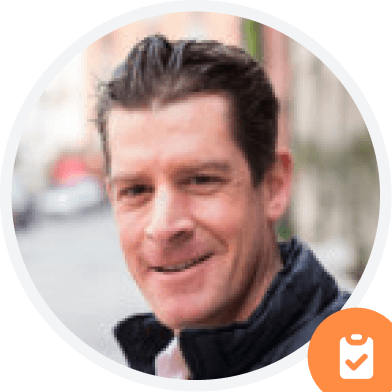
Andy Anderson
Co-founder, OraClaim
Two decades on the carrier side of insurance, most recently as CEO of a cyber insurance firm — which is to say, Andy spent the formative part of his career watching defense firms succeed and fail at the same problems, signing the checks that paid for both. He is now building the tools he wished his outside counsel had. Host of The Future of Claims podcast and newsletter, and author of the four-part argument the Academy operationalises. Andy teaches the strategic and economic modules of the curriculum.
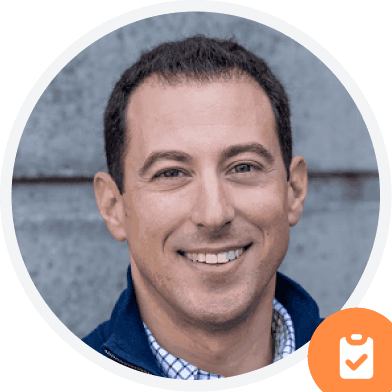
Mark Tepper
Co-founder, & CEO OraClaim
Former insurance defense attorney & Chief Legal Officer with deep experience in carrier–counsel relationships and the operational realities of running a defense practice. Mark spent years on the inside of the work the Academy is about — the depositions, the discovery, the carrier conversations, the staffing math — and is the reason nothing taught here survives only as theory. He is responsible for ensuring everything in the curriculum holds up against the way the work actually gets done. Mark co-teaches the operational and carrier-facing modules.
Guest Faculty
The Academy's guest faculty are working defense partners, claims executives, and law-firm operators drawn from the Future of Claims podcast roster. Each contributes to the module closest to their daily practice.
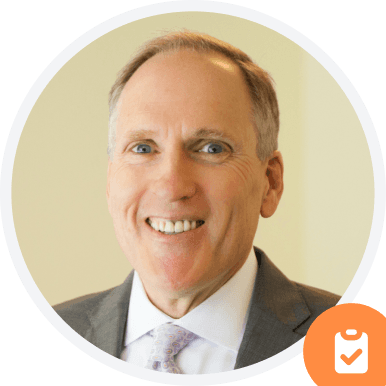
Brian Kennel
Module 1 · How AI Changes the Economics of Litigation Defense
Founder and CEO of PerformLaw, a consultancy that has spent more than two decades inside the financials of small and mid-sized law firms. Brian is the rare person who can speak fluently about both partner compensation systems and AI implementation roadmaps in the same sentence — and increasingly does, having authored the strategic roadmap The AI-Enabled Insurance Defense Firm. He brings the operational economics that turn the Module 1 argument from theory into a P&L line item.
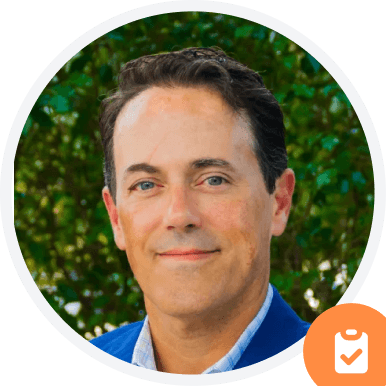
Alex Almazan
Module 6· Talent and the New Defense Pyramid
Managing partner of Almazan Law, a defense firm in the middle of an explicit "AI-first" transformation. Alex has rebuilt the firm's economics, staffing model, and associate development pipeline around the question Module 3 asks: what does the defense pyramid look like when the bottom rungs are AI-assisted? He brings the perspective of a managing partner currently running the experiment — not theorising about it.
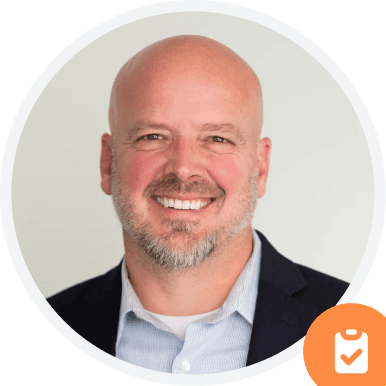
Chris Turney
Module 7-· AI in Depositions, Mediation, and Trial Prep
Founder of Turney LG in Kansas City and a trial lawyer recognised among America's Top 100 High Stakes Litigators. Chris has tried complex product, premises, professional, and medical liability cases in nearly half of Missouri's judicial circuits, plus Kansas and federal courts. He is also a Rule 17 mediator and a regular CLE presenter for the Missouri Bar and UMKC Law School. Chris brings to Module 8 the courtroom perspective of a litigator who has built AI into his actual deposition and trial preparation — not as a marketing posture, but because the work was getting better.
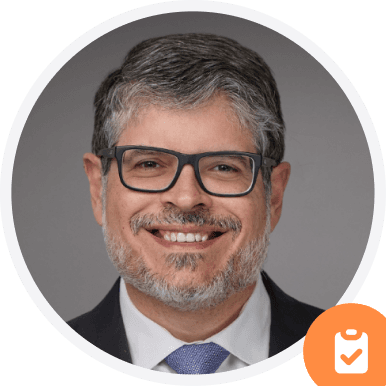
Frank Ramos
Module 2 · AI in Case Workup
Managing partner of Clarke Silverglate in Miami, past president of the Florida Defense Lawyers Association, senior director of the Federation of Defense & Corporate Counsel, and one of the most read voices in the defense bar — author of more than twenty books, including The Future of Law, and host of DRI's A Conversation With podcast. Frank tries cases for a living and writes about how to try them better. He brings to Module 2 the perspective of a managing partner who has actually rebuilt his firm's case-workup workflow, rather than presented a slide deck about it.
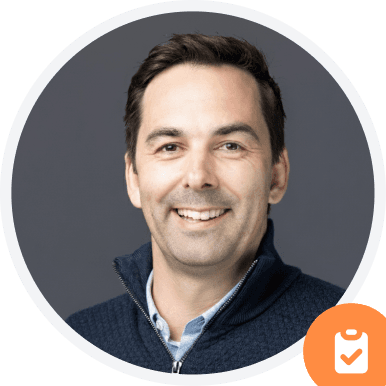
Brodie Cahill
Module 4· Implementing AI in a Defense Firm
Founder of BrightPath Legal Consulting and a Clio Certified Partner who has spent two decades inside legal technology. Brodie is currently leading Almazan Law's transition to an AI-first defense firm — meaning that when Module 3's Alex Almazan describes the what, Brodie can describe the how. He brings the implementation playbook from inside an active rollout: which workflows to rebuild first, which to leave alone, and what actually breaks in week three.
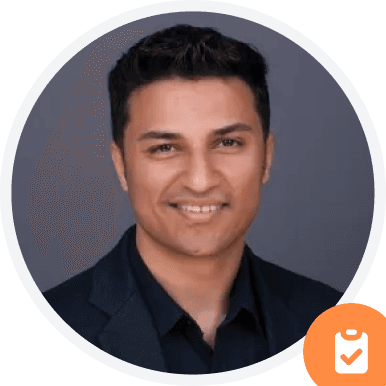
Ali Khan
Module 5· Cyber, Confidentiality, and the Privilege Question
Field CISO at ReversingLabs and a cybersecurity executive with eighteen years of experience advising heavily regulated organisations on operational cyber risk. Former CTO of FS-ISAC, with senior roles at Booz Allen Hamilton and Conquest Cyber. Ali helped build the STIX/TAXII threat-intelligence protocol that underpins the MITRE ATT&CK framework — which is to say, his perspective on AI confidentiality risk is the one informed by knowing exactly how attackers move once they are inside. He brings the rare combination of board-level risk fluency and hands-on cyber operations to Module 4.
Henry Sneath
Module 9 · Privilege, Coverage, and Carrier Requirements in the Age of AI
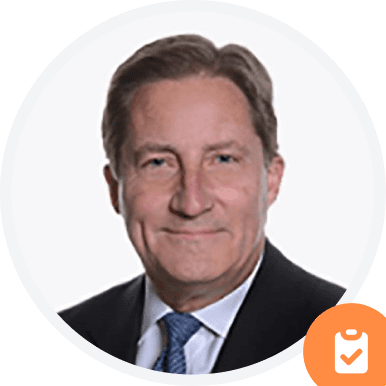
Co-Chair of Houston Harbaugh's Litigation Practice in Pittsburgh and Past President of DRI — the Defense Research Institute, the 22,000-member international defense bar organisation. A trial attorney with more than ninety-five jury verdicts, named Best Lawyers in America 2026 Pittsburgh Lawyer of the Year for Patent Litigation, and listed across the Business, Intellectual Property, Insurance Defense, and Legal Malpractice categories. Federal Court Approved Mediation Neutral and Special Master. Henry has built a practice he trademarks "Defending the Algorithm™" — covering AI, cybersecurity, and coverage matters together — which is to say, he was teaching this module long before there was an Academy to teach it in. He brings the legal-substance authority that turns Module 5 from speculation into doctrine.
Bryan Falchuk
Module 3 · The Carrier Relationship Reimagined
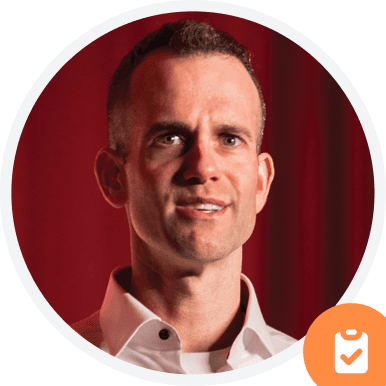
President and CEO of PLRB (the Property & Liability Resource Bureau), the largest claims industry membership organisation in North America. A former chief claims officer and senior insurance executive, Bryan is also the author of The Future of Insurance — a multi-volume work that is required reading for serious operators on the carrier side. He brings to Module 10 the rare perspective of someone who has sat in the chair that issues outside-counsel billing guidelines and decides which defense firms to keep on the panel. Defense partners will pay attention to what Bryan says they want, because Bryan is the person whose job it is to say it.

Module 9 -· Privilege, Coverage, and Carrier Requirements in the Age of AI
Christopher Jacobs
Christopher M. Jacobs is a Director at Houston Harbaugh, P.C. in Pittsburgh, defending national and regional insurers in bad faith, coverage, and complex commercial litigation across Pennsylvania, West Virginia, and Ohio. He has also built a leading practice at the intersection of AI and the law, advising on liability for AI systems and algorithmic decision-making and speaking widely on how AI is reshaping claims and defense practice. A recognized Pennsylvania Super Lawyer and Best Lawyers in America honoree, he is a frequent CLE presenter for DRI, the Pennsylvania Defense Institute, and PAMIC.

Max Henderson
Module 8 -· Data Driven Case DecisionsI
Max Henderson is the Co-Founder and Chief Data Officer at DataStream Cyber Insurance, a cyber insurance company. He's based in Philadelphia, Pennsylvania, and appears to have an educational background connected to Drexel University. As Chief Data Officer, his role likely centers on data strategy, analytics, and risk modeling—areas that are especially critical in the cyber insurance space, where underwriting depends heavily on assessing and quantifying digital risk.

Rahim Rasool
Module 8 -· Data Driven Case DecisionsI
Rahim Rasool is an AI/ML Engineer and Assistant Professor based in the San Francisco Bay Area. He's currently affiliated with OraClaim and holds an academic role connected to the University of Chicago. His dual identity as both a practicing engineer and an academic reflects a strong grounding in machine learning and artificial intelligence—bridging hands-on technical work with teaching and research. Given his background, his expertise likely spans areas like machine learning, predictive modeling, and natural language processing, positioning him well at the intersection of applied AI and education.
Mark Tepper
Module 11 - Building Your Firm's AI Strategy
Former insurance defense attorney & Chief Legal Officer with deep experience in carrier–counsel relationships and the operational realities of running a defense practice. Mark spent years on the inside of the work the Academy is about — the depositions, the discovery, the carrier conversations, the staffing math — and is the reason nothing taught here survives only as theory. He is responsible for ensuring everything in the curriculum holds up against the way the work actually gets done. Mark co-teaches the operational and carrier-facing modules.
The Future of Claims Academy
The defense bar is being handed a once-in-a-generation reset. Most firms will miss it.
A free, eleven-module programme for insurance defense lawyers, claims professionals, and claims leaders who want a structured path through the AI transition — not another stack of half-read LinkedIn posts.

Sign Up For Free
Module 1 debuts as a LinkedIn Live event on May 27 2026. New modules every two weeks after, through October. Sign up to get the live link, recording, and operating brief for each one.
Two things are true at once.
Sixty per cent of insurance defense firms are currently turning down work because they cannot staff it. The same firms are being told, by trade press and tech vendors alike, that artificial intelligence is about to make their lawyers redundant.
Both statements cannot be right. The talent crunch is real and acute. Nuclear verdicts hit a record $31.3 billion in 2024. Carriers cut defense bills 6 to 10 per cent through automated review. Plaintiff firms are flush with hedge-fund money. Associates leave faster than ever — 82 per cent within five years, the highest figure NALP has ever recorded.
Most commentary on AI in defense practice manages to be loud and unhelpful in equal measure. The Academy is built on a different premise: that the firms reading this market correctly are about to gain market share, margin, and talent from the firms that aren't. The point is not to keep up. The point is to widen the gap.

60%
of firms turning down work
$31.3B
Nuclear verdicts 2024
82%
Associates leave in 5yrs
The Future of Claims Academy
The defense bar is being handed a once-in-a-generation reset. Most firms will miss it.
A free, eleven-module programme for insurance defense lawyers, claims professionals, and claims leaders who want a structured path through the AI transition — not another stack of half-read LinkedIn posts.
Module 1 debuts as a LinkedIn Live event on 27 May 2026. New modules every two weeks after, through October. Sign up to get the live link, recording, and operating brief for each one.
Two things are true at once.
Sixty per cent of insurance defense firms are currently turning down work because they cannot staff it. The same firms are being told, by trade press and tech vendors alike, that artificial intelligence is about to make their lawyers redundant.
Both statements cannot be right. The talent crunch is real and acute. Nuclear verdicts hit a record $31.3 billion in 2024. Carriers cut defense bills 6 to 10 per cent through automated review. Plaintiff firms are flush with hedge-fund money. Associates leave faster than ever — 82 per cent within five years, the highest figure NALP has ever recorded.
Most commentary on AI in defense practice manages to be loud and unhelpful in equal measure. The Academy is built on a different premise: that the firms reading this market correctly are about to gain market share, margin, and talent from the firms that aren't. The point is not to keep up. The point is to widen the gap.
60%
of firms turning down work
$31.3B
Nuclear verdicts 2024
82%
Associates leave in 5yrs
An eleven-module programme. No fluff. Built for working professionals.
The Future of Claims Academy is a structured online course for the people who actually run defense firms and claims operations — not for the consultants who write about them.
Each module debuts as a LinkedIn Live event, then becomes available as a recording with a short operating brief: what to do on Monday morning, what to measure, what to read next. Modules release every two weeks starting 27 May 2026 and finishing 14 October 2026. The live cohort runs twenty weeks end to end; the materials remain available indefinitely.
The Academy is free. No upsell, no certification fee, no time-share pitch at the end. It exists because the people building OraClaim spent years inside insurance carriers and defense firms, and concluded that what this industry needs first is shared vocabulary, not another vendor pitch.
11
Modules
~60 minutes each
2x
LinkedIn Live every two weeks
Recorded for on-demand
$0
Free
For the foreseeable future
The Curriculum
Modules debut as LinkedIn Live events on a fortnightly cadence beginning 27 May 2026. Most modules are co-taught with a working defense partner or claims executive.
01
Next Live
How AI Changes the Economics of Litigation Defense
LinkedIn Live
•
27 May 2026
•
with Brian Kennel
Why the AI-and-defense conversation has been miscalibrated from the start. The 85/15 indemnity-to-defense math. The pincer of nuclear verdicts and automated bill review. Where the real leverage sits — and why the firms that find it will not be competing with their peers but with their carriers' next-best alternative. Brian Kennel joins to ground the argument in the operational reality of a working defense firm.
02
AI in Case Workup
LinkedIn Live
•
10 June 2026
•
with Frank Ramos
The operational baseline: medical chronologies, discovery review, deposition summaries, motion drafting. Where AI is now table stakes, where it isn't yet, and how to tell the difference. What the workflow looks like when an associate's first three hours on a new file become twenty minutes of validation. Frank Ramos brings the perspective of one of the most active voices in the defense bar on what actually works inside a firm.
03
Talent and the New Defense Pyramid
LinkedIn Live
•
24 June 2026
•
with Alex Almazan
The talent crisis and the AI transition are the same problem, viewed from different windows. What the NALP data actually says about why associates leave. The apprenticeship paradox — and why defense work, with its courtroom and client reps, may become the most attractive place in legal practice to actually become a lawyer. Alex Almazan brings the perspective of a managing partner who has rebuilt his firm's economics around the AI question.
04
Cyber, Confidentiality, and the Privilege Question
LinkedIn Live
•
8 July 2026
•
with Ali Khan
The real risks of AI in defense practice — which are not the ones most firms are worrying about. Why "no AI" policies create more confidentiality risk than they prevent. What carriers, courts, and bar regulators actually expect, what they will tolerate, and what gets a firm sued or sanctioned. Ali Khan joins to walk through the operational realities of building an AI policy that actually holds up.
05
Privilege, Coverage, and Carrier Requirements in the Age of AI
LinkedIn Live
•
22 July 2026
•
with Henry Sneath & Christopher Jacobs
The legal-substance module the AI conversation has been avoiding. How privilege and work-product doctrines apply (and don't) to AI-assisted work. Where coverage may attach and where it may evaporate when an algorithm contributes to a defense decision. What carrier outside-counsel guidelines are quietly being rewritten to require, and what defense firms ought to be negotiating back. Why AI-related bad-faith claims are the most predictable new theory of liability of the next five years. Henry Sneath — Past President of DRI, co-chair of Houston Harbaugh's Litigation Practice, and one of the defense bar's most experienced voices on insurance coverage and bad faith — anchors the module.
06
Implementing AI in a Defense Firm: The Human System
LinkedIn Live
•
5 August 2026
•
with Brodie Cahill
Most AI transformations fail not because the technology is wrong but because the human system around it was never designed. Chip and Dan Heath's Rider, Elephant, and Path framework, applied to a defense firm. Why pilots stall. How to design one that doesn't. Brodie Cahill joins to walk through the implementation playbook from inside an active rollout.
07
Data-Driven Case Decisions
LinkedIn Live
•
19 August 2026
Moving from gut-feel triage to probabilistic case management. Using historical case data to set reserves, route cases, time mediations, and structure settlements. What a defensible damages model looks like — and how to use one without overclaiming its certainty.
08
AI in Depositions, Mediation, and Trial Prep
LinkedIn Live
•
2 September 2026
•
with Chris Turney
Where AI helps the live, adversarial parts of practice and where it gets in the way. Real-time deposition summaries. Mining opposing experts' prior testimony at a depth previously impossible. Pre-mediation scenario analysis. The parts of trial that remain, and will remain, fully human. Chris Turney brings the courtroom perspective of a litigator who has built AI into his actual practice.
09
AI in Employment Practices Litigation
LinkedIn Live
•
16 September 2026
•
with Brian Leinhauser
The one practice area where AI is both the weapon and the wound. The discovery firepower it brings to multi-plaintiff and class actions — communications, HR records, and pattern detection at scales previously unbillable. The new categories of liability emerging around algorithmic hiring, automated performance management, and workplace surveillance. What defense counsel should be telling their corporate clients before the next demand letter arrives. Brian Leinhauser joins to walk through where defense firms are winning these cases and where they are conceding ground.
10
The Carrier Relationship Reimagined
LinkedIn Live
•
30 September 2026
with Bryan Falchuk
What carriers actually want from outside counsel in 2026 and beyond — beyond what their billing guidelines say. AI-aware billing guidelines. Hybrid pricing models. How to have the conversation about flat fees for AI-assisted work without sounding either greedy or naive. Why the firms that win this conversation get to set the terms. Bryan Falchuk — President & CEO of PLRB, author of The Future of Insurance, and a former chief claims officer — brings the rare perspective of someone who has sat in the chair that issues those billing guidelines and decides which firms to keep.
11
Building Your Firm's AI Strategy (Capstone)
LinkedIn Live
•
14 October 2026
A working session, not a lecture. Students leave with a 12-month roadmap: governance, vendor choices, metrics, training plan, communication plan. The questions a managing partner should be able to answer about AI at the next partner meeting — and the questions to stop trying to answer.
Who's teaching
The Academy is taught by people who have run insurance businesses, defended cases, and built the tools — not by consultants narrating from the outside.
Hosts
Andy Anderson
Co-founder & CEO, OraClaim
Two decades on the carrier side of insurance, most recently as CEO of a cyber insurance firm — which is to say, Andy spent the formative part of his career watching defense firms succeed and fail at the same problems, signing the checks that paid for both. He is now building the tools he wished his outside counsel had. Host of The Future of Claims podcast and newsletter, and author of the four-part argument the Academy operationalises. Andy teaches the strategic and economic modules of the curriculum.
Mark Tepper
Co-founder, OraClaim
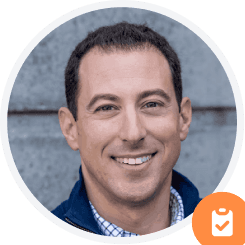
Former insurance defense attorney with deep experience in carrier–counsel relationships and the operational realities of running a defense practice. Mark spent years on the inside of the work the Academy is about — the depositions, the discovery, the carrier conversations, the staffing math — and is the reason nothing taught here survives only as theory. He is responsible for ensuring everything in the curriculum holds up against the way the work actually gets done. Mark co-teaches the operational and carrier-facing modules.
Guest Faculty
The Academy's guest faculty are working defense partners, claims executives, and law-firm operators drawn from the Future of Claims podcast roster. Each contributes to the module closest to their daily practice.
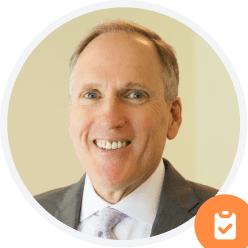
Brian Kennel
Module 1 · How AI Changes the Economics of Litigation Defense
Founder and CEO of PerformLaw, a consultancy that has spent more than two decades inside the financials of small and mid-sized law firms. Brian is the rare person who can speak fluently about both partner compensation systems and AI implementation roadmaps in the same sentence — and increasingly does, having authored the strategic roadmap The AI-Enabled Insurance Defense Firm. He brings the operational economics that turn the Module 1 argument from theory into a P&L line item.
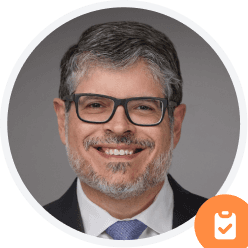
Frank Ramos
Module 2 · AI in Case Workup
Managing partner of Clarke Silverglate in Miami, past president of the Florida Defense Lawyers Association, senior director of the Federation of Defense & Corporate Counsel, and one of the most read voices in the defense bar — author of more than twenty books, including The Future of Law, and host of DRI's A Conversation With podcast. Frank tries cases for a living and writes about how to try them better. He brings to Module 2 the perspective of a managing partner who has actually rebuilt his firm's case-workup workflow, rather than presented a slide deck about it.
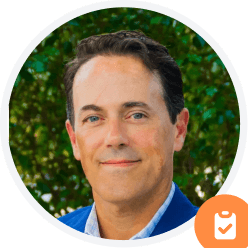
Alex Almazan
Module 3 · Talent and the New Defense Pyramid
Managing partner of Almazan Law, a defense firm in the middle of an explicit "AI-first" transformation. Alex has rebuilt the firm's economics, staffing model, and associate development pipeline around the question Module 3 asks: what does the defense pyramid look like when the bottom rungs are AI-assisted? He brings the perspective of a managing partner currently running the experiment — not theorising about it.
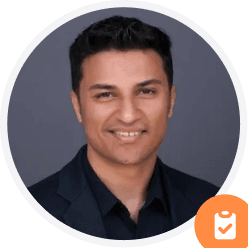
Ali Khan
Module 4 · Cyber, Confidentiality, and the Privilege Question
Field CISO at ReversingLabs and a cybersecurity executive with eighteen years of experience advising heavily regulated organisations on operational cyber risk. Former CTO of FS-ISAC, with senior roles at Booz Allen Hamilton and Conquest Cyber. Ali helped build the STIX/TAXII threat-intelligence protocol that underpins the MITRE ATT&CK framework — which is to say, his perspective on AI confidentiality risk is the one informed by knowing exactly how attackers move once they are inside. He brings the rare combination of board-level risk fluency and hands-on cyber operations to Module 4.
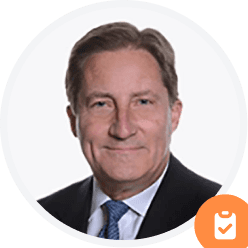
Henry Sneath
Module 5 · Privilege, Coverage, and Carrier Requirements in the Age of AI
Co-Chair of Houston Harbaugh's Litigation Practice in Pittsburgh and Past President of DRI — the Defense Research Institute, the 22,000-member international defense bar organisation. A trial attorney with more than ninety-five jury verdicts, named Best Lawyers in America 2026 Pittsburgh Lawyer of the Year for Patent Litigation, and listed across the Business, Intellectual Property, Insurance Defense, and Legal Malpractice categories. Federal Court Approved Mediation Neutral and Special Master. Henry has built a practice he trademarks "Defending the Algorithm™" — covering AI, cybersecurity, and coverage matters together — which is to say, he was teaching this module long before there was an Academy to teach it in. He brings the legal-substance authority that turns Module 5 from speculation into doctrine.
Christopher jacobs
Module 5 · Privilege, Coverage, and Carrier Requirements in the Age of AI
Christopher M. Jacobs is a Director at Houston Harbaugh, P.C. in Pittsburgh, defending national and regional insurers in bad faith, coverage, and complex commercial litigation across Pennsylvania, West Virginia, and Ohio. He has also built a leading practice at the intersection of AI and the law, advising on liability for AI systems and algorithmic decision-making and speaking widely on how AI is reshaping claims and defense practice. A recognized Pennsylvania Super Lawyer and Best Lawyers in America honoree, he is a frequent CLE presenter for DRI, the Pennsylvania Defense Institute, and PAMIC.
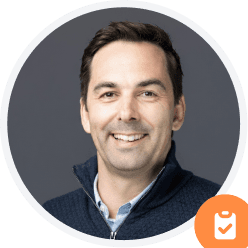
Brodie Cahill
Module 6 · Implementing AI in a Defense Firm
Founder of BrightPath Legal Consulting and a Clio Certified Partner who has spent two decades inside legal technology. Brodie is currently leading Almazan Law's transition to an AI-first defense firm — meaning that when Module 3's Alex Almazan describes the what, Brodie can describe the how. He brings the implementation playbook from inside an active rollout: which workflows to rebuild first, which to leave alone, and what actually breaks in week three.
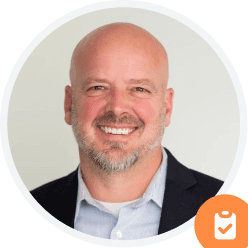
Chris Turney
Module 8 · AI in Depositions, Mediation, and Trial Prep
Founder of Turney LG in Kansas City and a trial lawyer recognised among America's Top 100 High Stakes Litigators. Chris has tried complex product, premises, professional, and medical liability cases in nearly half of Missouri's judicial circuits, plus Kansas and federal courts. He is also a Rule 17 mediator and a regular CLE presenter for the Missouri Bar and UMKC Law School. Chris brings to Module 8 the courtroom perspective of a litigator who has built AI into his actual deposition and trial preparation — not as a marketing posture, but because the work was getting better.
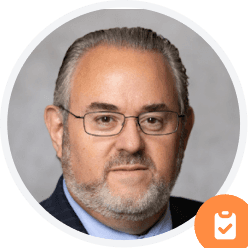
Brian Leinhauser
Module 9 · AI in Employment Practices Litigation
Founding partner of MacMain Leinhauser in West Chester, Pennsylvania, where he leads the firm's employment and labor practice. Brian has defended employment, civil rights, and labor cases across Pennsylvania, New Jersey, and federal courts for nearly two decades, representing public and private employers before the EEOC, the Pennsylvania Human Relations Commission, and at arbitration. He has also served as associating and oversight counsel for carriers on high-exposure claims. A Pennsylvania Super Lawyers selection every year since 2017. Brian brings the unusual dual perspective Module 9 requires: how AI changes the discovery firepower in employment litigation, and how AI is becoming the underlying liability theory in the new wave of algorithmic-bias and workplace-surveillance claims.
Bryan Falchuk
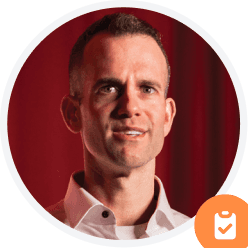
Module 10 · The Carrier Relationship Reimagined
President and CEO of PLRB (the Property & Liability Resource Bureau), the largest claims industry membership organisation in North America. A former chief claims officer and senior insurance executive, Bryan is also the author of The Future of Insurance — a multi-volume work that is required reading for serious operators on the carrier side. He brings to Module 10 the rare perspective of someone who has sat in the chair that issues outside-counsel billing guidelines and decides which defense firms to keep on the panel. Defense partners will pay attention to what Bryan says they want, because Bryan is the person whose job it is to say it.
Read before you sign up
The Academy operationalises an argument that has been built across four newsletter issues. Each lays out part of the case.
Issue 01
The $143B Squeeze
Why nuclear verdicts and automated bill review form a single pincer movement against defense firms — and why 85 cents of every claim dollar sits in indemnity, not legal spend.
Read Article
Issue 02
Rider, Elephant, Path
Why technology transformations always come down to managing the human system around the technology — and what Chip and Dan Heath's framework looks like applied to a defense practice.
Read Article
Issue 03
The Confidentiality Misdiagnosis
The cyber and privilege risks of AI in defense practice are usually misunderstood — and the firms that get this wrong are the ones with no AI policy at all.
Read Article
Issue 04
A Job Is Not a Task
The radiologists' parable applied to defense practice. Why 60 per cent of firms turning down work is not a sign that lawyers are being replaced — it is a sign that the next decade belongs to whoever moves first.
Read Article
Ready to increase productivity and profitability?
Increase profit margins by up to 300%
Cut review time in half
Deliver better outcomes with less stress
Turn every case into actionable insight
Boost efficiency without sacrificing accuracy
Reduce time spent on repetitive review

©Copyright 2026 OraClaim
Ready to increase productivity and profitability?
Increase profit margins by up to 300%
Cut review time in half
Deliver better outcomes with less stress
Turn every case into actionable insight
Boost efficiency without sacrificing accuracy
Reduce time spent on repetitive review
©Copyright 2026 OraClaim
Ready to increase productivity and profitability?
Increase profit margins by up to 300%
Cut review time in half
Deliver better outcomes with less stress
Turn every case into actionable insight
Boost efficiency without sacrificing accuracy
Reduce time spent on repetitive review
©Copyright 2026 OraClaim